
Winter Symbols Explained: Hidden Spiritual Meanings of Snow, Fire & Silence (2026)
Winter symbols explained simply mean the images and moments, snow, fire, silence, bare trees, that people have used for centuries to represent rest, endings, and new beginnings. Long before “symbolism” was even a word, humans looked at the cold season and saw something deeper than weather.
If you’ve ever felt strangely calm during the first snowfall, you already understand this on a gut level. This article breaks down exactly what’s happening there, spiritually and culturally, plus a few fun copy paste symbols along the way.
What Are Winter Symbols?
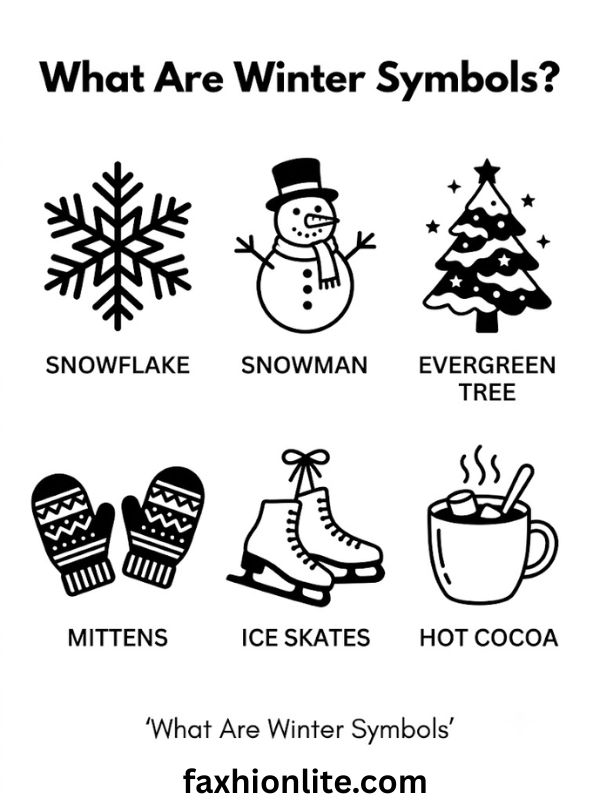
Winter symbols are the recurring images and natural events, like snowflakes, frost, bare branches, and long dark nights, that cultures use to represent ideas bigger than the weather itself. They’re shorthand. A single snowflake can carry the weight of an entire philosophy about individuality, and a bare tree can say more about loss and patience than a paragraph could.
Most winter symbols fall into a few categories. There are natural ones (snow, ice, frost, wind), object based ones (candles, fireplaces, evergreen branches), and emotional or spiritual ones (silence, stillness, solitude). What makes winter symbolism different from, say, spring symbolism, is that it leans heavily on absence. Spring is full of new growth you can point to. Winter’s meaning often comes from what’s missing: leaves, warmth, noise, activity.
This is also why winter shows up so often in winter symbolism in literature and film as a metaphor for grief, transformation, or a turning point in someone’s life. Writers use it because readers already feel it intuitively. You don’t need to explain why a character standing alone in the snow feels significant. The season does the emotional work for you.
Lastly, winter symbols aren’t fixed. A symbol that means death and mourning in one culture might mean patience and preparation in another. That’s part of what makes this topic so rich, and it’s exactly what we’ll unpack section by section below.
Winter Symbols And Spiritual Meanings
The spiritual meaning behind most winter symbols centers on stillness, inner reflection, and the idea that rest is a necessary part of any growth cycle. Nearly every major spiritual tradition treats winter as a pause rather than an ending, a season built for looking inward instead of outward.
Snowflake Symbol Text
The snowflake is probably the most recognized winter symbol on the planet. In text form, people commonly use ❄, ❆, and ❅ to represent it in captions, usernames, or digital art. Spiritually, the snowflake stands for individuality and impermanence at the same time, since it’s beautiful, unrepeatable, and gone within moments.
Winter Symbols Cute
Not every winter symbol needs to carry deep meaning. A big part of how people engage with winter symbols today is purely aesthetic: soft, cute versions of snowflakes, mittens, and hot cocoa cups used in journaling, planners, and social bios.
Cute Winter Emojis
Popular combinations include ❄️☃️, 🧣🔥, and 🕯️🌙. These pairings usually blend coziness (fire, candles, scarves) with the cold outdoors (snow, ice), which mirrors the actual emotional contrast people feel during winter: cold outside, warm inside.
What Does The Cold Symbolize?
Cold represents clarity and endurance. Cold symbolism often points to emotional distance or resilience, the idea that you can stay grounded even when conditions get harsh. It’s not always negative. A “cold head” is often praised as a sign of composure under pressure.
What Does Snow Symbolise?
Snow symbolizes purity, a blank slate, and quiet transformation. Because it covers everything evenly, snow has long represented the idea of starting fresh, no matter what the ground looked like before it fell.
Symbolism Of Snow
Across most cultures, the symbolism of snow blends beauty with fragility. It’s stunning to look at but disappears the moment conditions change, which is exactly why it gets used as a metaphor for fleeting experiences and precious moments.
Snow Symbolism Meaning
When people search for snow symbolism meaning, they’re usually trying to connect a dream, a tattoo idea, or a personal experience to something bigger. The consistent thread across sources is renewal through stillness rather than renewal through action.
Spiritual Meaning Of Snow
The spiritual meaning of snow is closely tied to divine cleansing and inner peace. Many contemplative traditions describe snowfall as a visual reminder to slow down, since it literally quiets the world, muffling sound and softening hard edges.
Winter Spiritual Representation
Winter spiritual representation is the idea that the season itself acts as a mirror for the human need to rest, reflect, and let go before moving forward again. This isn’t just poetic language. Many long-standing traditions built entire rituals around this exact idea.
Spiritual Meaning Of Winter
The spiritual meaning of winter shows up across nearly every major belief system as a season of sacred pause. Ancient observers noticed that nature itself seemed to rest during this period, and built ceremonies around honoring that rhythm rather than fighting it.
Connotations Of Winter
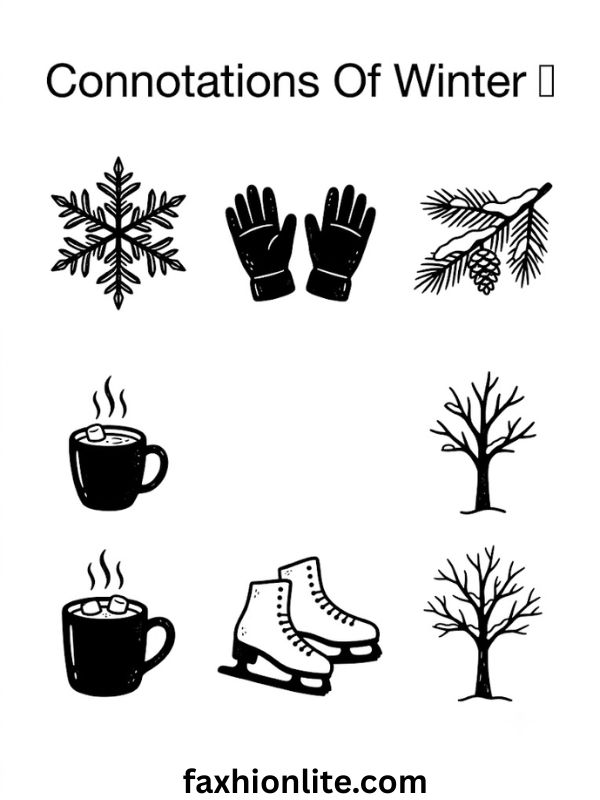
Winter carries both positive and negative connotations depending on context. It can mean isolation and hardship, but it can just as easily mean quiet strength, patience, and the discipline required to wait for better conditions.
What Does Winter Represent Spiritually?
Spiritually, winter often represents the space between an ending and a new beginning. It’s the season where the old year’s growth has finished and next year’s growth hasn’t started yet, a genuine in-between.
Copy Paste Winter Symbols
Many readers land on this topic specifically to find quick, usable text symbols. We’ve built a full list of those in the next section, but a fast starter set is: ❄ ❆ ❅ ☃ ⛄ 🌨.
Winter Symbols Copy And Paste Ideas
If you need winter symbols to copy and paste, the fastest options are Unicode characters like ❄ ❆ ❅ ☃ ⛄ 🌨, which work in usernames, captions, and most text fields without needing an emoji keyboard.
Winter Symbols Copy And Paste
Here’s a practical reference table:
| Symbol | Name | Common Use |
| ❄ | Snowflake | Bios, captions |
| ❆ | Heavy snowflake | Aesthetic text art |
| ☃ | Snowman | Playful captions |
| ⛄ | Snowman without snow | Casual chat |
| 🕯️ | Candle | Solstice, Advent posts |
| 🌙 | Moon | Long winter nights |
Copy And Paste Winter Symbols
Beyond the basics, people also use combined Unicode strings like “*ੈ✩‧₊˚❄️” for a softer, more decorative look. These are especially popular in journaling apps and Pinterest style graphics.
Cute Winter Symbols
For a cuter feel, pair a snowflake with a heart or sparkle: ❄️💙 or ❄️✨. Small combinations like this go a long way on social bios without looking cluttered.
Cute Winter Symbols Copy And Paste
A ready to use set: “︎❆ ˚。⋆” or “❄️ ⋆。°✩”. These work well in Instagram and TikTok bios where a minimalist aesthetic is the goal.
Simple Winter Symbols
Sometimes less is more. A single ❄ or ☃ does the job without needing a whole combo, especially in professional or minimal contexts like email signatures.
Simple Simple Winter Symbols
For the most stripped down option, a plain asterisk styled snowflake (*) or a single period wrapped in dashes can suggest “winter” without using an actual snowflake character at all, useful for very clean design work.
Winter Symbols Emoji And Aesthetic Designs
Winter symbols in emoji and design form combine literal weather icons (snow, ice) with mood based visuals (candles, warm drinks) to capture both the cold and the coziness of the season.
Winter Symbols Emoji
Beyond the snowflake, common winter emoji include 🧊 (ice), 🔥 (fire), 🧣 (scarf), and 🌨️ (snow cloud). Together they cover both the harsh and comforting sides of the season.
Winter Emoji Combos
Good pairings tell a small story: ❄️🔥 suggests contrast, 🕯️🌙 suggests quiet reflection, and ☕❄️ suggests comfort during cold weather.
Winter Symbols Aesthetic
The winter symbols aesthetic trend leans into muted blues, soft whites, and minimalist line art. It’s popular on Pinterest and design platforms because it photographs well and feels calm rather than chaotic.
Winter Symbols PNG
Designers frequently search for transparent PNG versions of snowflakes and icicles for use in digital scrapbooking, printables, and branding materials where a clean background matters.
Winter Symbols Vector
Vector graphics of winter symbols are popular for anyone building printables, greeting cards, or merchandise, since vectors scale without losing quality.
Winter Symbols Clipart
Clipart versions tend to be simpler and more colorful, aimed at crafts, school projects, and greeting cards rather than professional branding.
Winter Symbols Drawing
If you’re sketching winter symbols by hand, start simple: a six pointed snowflake, an icicle hanging from a line, or a single bare branch. These three cover most of what people mean when they picture “winter” visually.
Snowflake Symbols And Snow Meaning
The snowflake is widely considered the single most recognizable winter symbol, representing individuality, fragility, and the idea that beauty doesn’t need to last long to matter.
Snowflake Symbol
Every snowflake forms with six sided symmetry because of how water molecules bond as they freeze, but the branching pattern varies based on humidity and temperature as it falls, which is why no two end up identical.
Snowflake Text Symbol
For text based use, ❄ is the standard Unicode snowflake, recognized across nearly every platform and operating system.
Snowflake Symbols
Variations exist across fonts, from simple line versions to more ornate, lace like designs, giving people options depending on the aesthetic they’re going for.
Snowflakes Symbols
When used in plural form, snowflakes often shift meaning slightly, from individuality toward the idea of many unique things existing together, like a community made up of different people.
Snowflakes Symbol
This near duplicate phrasing captures the same core idea: uniqueness within a shared experience, something people relate to when talking about family, friend groups, or teams.
Snow Symbolism
Snow as a whole symbolizes purity and a temporary reset. It blankets everything the same way, regardless of what was underneath, which is part of why it’s so often tied to forgiveness and fresh starts.
What Does Snow Symbolize?
In short: renewal, quiet, and impermanence. Snow arrives suddenly, transforms the landscape completely, and then melts away, leaving no permanent trace.
What Does Snow Represent?
Snow represents the pause before change. It covers the ground the way rest covers a tired mind, temporarily, but necessarily.
Winter Symbolism And Spiritual Meaning
Winter symbolism, taken as a whole, consistently points to three themes: endings, patience, and preparation for what comes next. Nearly every long tail question about “what winter represents” traces back to one of those three ideas.
Ask what does winter symbolize in a psychology context, and the answer usually involves introspection and emotional resilience. Ask it in a literary context, and you’ll get answers about mortality, isolation, or a turning point in a character’s arc. Ask it in a nature context, and you’ll hear about dormancy, the biological pause that trees and animals take before spring growth resumes.
Symbol of winter, symbol for winter, symbols of winter: regardless of the exact phrasing, most people searching these terms are looking for the same handful of answers: snow, bare trees, ice, long nights, and fire (as its counterbalance). What represents winter most consistently across surveys and cultural references is the snowflake, followed closely by evergreen trees and frost.
The deeper symbolic meaning of winter, and its winter spiritual meaning, comes down to trust. Trust that dormant doesn’t mean dead. Trust that quiet doesn’t mean empty. That’s the throughline connecting nearly every tradition covered in the next section.
Cultural And Unique Winter Symbols
Cultures around the world have developed distinct winter symbols, but nearly all of them circle back to fire, evergreen plants, and the return of light.
Ancient Winter Symbols
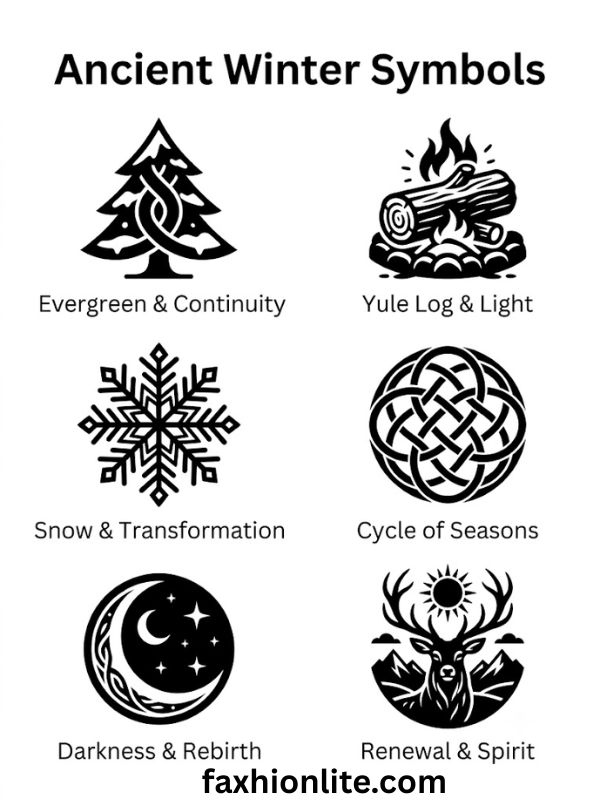
Long before any organized religion existed, early societies tracked the winter solstice using stone structures. Newgrange in Ireland, built thousands of years ago, aligns perfectly with the sunrise on the solstice, flooding an internal chamber with light for a few minutes once a year.
Pagan Winter Symbols
Pagan traditions across Northern Europe celebrated Yule with burning logs, evergreen wreaths, and feasting. The Yule log itself symbolized the sun’s return, since ancient Norse people believed the sun rolled back to earth like a wheel of fire after the solstice.
Celtic Winter Symbols
The Celts marked the solstice with fire festivals and evergreen decorations representing protection and endurance. Their gatherings honored the moment daylight began growing longer again, treating it as a genuine turning point rather than just a calendar date.
Japanese Winter Symbols
In Japan, winter symbolism leans toward quiet appreciation rather than celebration. Snow, plum blossoms against snow, and soaking in a warm bath to guard against the cold all reflect a cultural preference for stillness and small comforts during the coldest months.
Christmas Winter Symbols
Holly, bells, candles, and evergreen trees are strongly tied to Christmas specifically, layered onto older winter traditions as Christianity spread across Europe.
Winter Symbols Not Christmas
For readers wanting winter symbolism without the religious layer, nature offers plenty: icicles, frost patterns on glass, bare branches, frozen lakes, and the specific silence that follows a fresh snowfall.
Winter Symbols Ideas
Popular creative uses include tattoos of a single snowflake, journal prompts built around themes of rest, and home decor centered on candles and soft textures rather than bright colors.
Things That Represent Winter
Beyond nature, everyday objects carry winter meaning too: hot coffee, wool sweaters, fireplaces, and mittens all represent the human response to cold, finding warmth and comfort deliberately.
Deep Symbolic Meaning of Winter Symbols
At its core, winter symbolism operates on three connected levels: spiritual, psychological, and cultural, and understanding all three gives you the full picture.
The spiritual meaning centers on spiritual transformation and sacred pause, the idea that stepping back from constant activity is part of a healthy cycle rather than a failure to keep moving.
The psychological meaning is grounded in something real: shorter days and reduced sunlight genuinely affect mood and energy for many people, which is why concepts like self reflection and mindfulness get paired so often with winter imagery.
This is worth naming directly rather than romanticizing, since some people do experience Seasonal Affective Disorder, and it’s a legitimate condition worth discussing with a doctor rather than symbolism alone.
The cultural meaning shifts depending on where you are. Societies closer to the equator, with milder winters, tend to treat the season lightly, while societies with harsh, long winters, like Norse or Siberian cultures, built entire survival philosophies and rituals around it.
Types and Variations of Winter Symbols
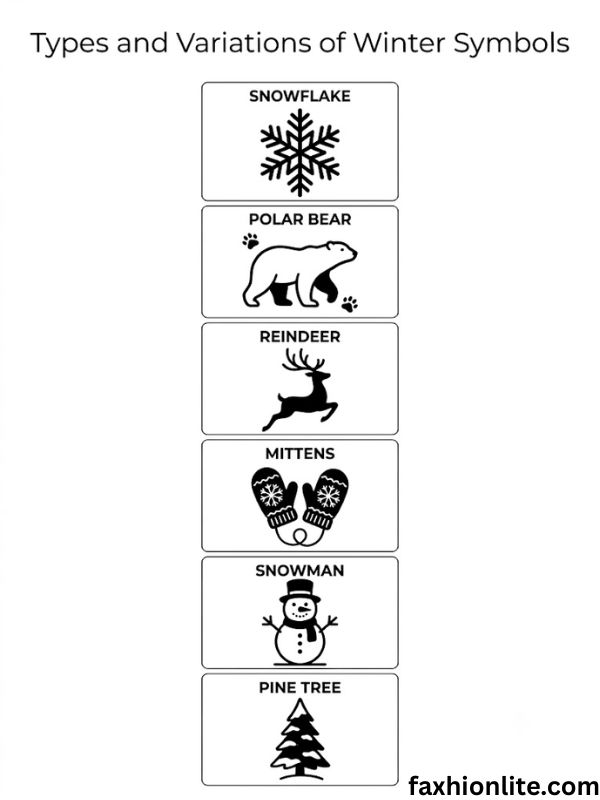
Different winter elements carry slightly different meanings, even though they all fall under the same seasonal umbrella.
Snow represents purity and a temporary reset. Ice represents clarity and preservation, the idea of holding something in place, frozen in time. Bare trees represent vulnerability and honesty, since they show their true structure without leaves to hide behind.
Winter night represents mystery and introspection, the long dark hours that invite reflection rather than action. Cold wind represents challenge and change, the discomfort that often comes right before growth.
Winter Symbols Across Cultures
Comparing traditions side by side shows how universal the underlying themes of winter symbolism really are, even when the specific rituals look completely different.
| Culture | Symbol/Tradition | Core Meaning |
| Norse | Yule log, fire festivals | Return of the sun, protection |
| Ancient Chinese | Dongzhi, yin and yang balance | Turning point from dark to light |
| Celtic | Solstice fires, evergreens | Endurance, renewal |
| Japanese | Snow, plum blossoms, warm baths | Quiet beauty, comfort |
| Christian | Advent candles | Waiting, preparation, hope |
In Norse culture, Yule stretched across nearly two weeks, involving fire keeping, feasting, and toasts to Odin. In ancient Chinese philosophy, the Dongzhi festival, first recorded during the Zhou Dynasty, marks the exact moment yin energy peaks before giving way to yang, and families still gather to eat tangyuan, round rice balls symbolizing unity.
Celtic traditions built entire ceremonies around sacred sites aligned with the solstice sunrise. Japanese culture treats winter with restrained appreciation rather than big celebration. Christian symbolism ties winter to Advent, a season of waiting that mirrors the same patience found in older pagan traditions, just wrapped in a different framework.
Winter Symbols in Art, Movies and Pop Culture
Winter shows up constantly in film and literature as visual shorthand for change. A character standing alone in falling snow reads instantly as a moment of decision or grief, without a single line of dialogue needed.
Album covers, fashion editorials, and seasonal marketing all lean on the same muted, minimalist winter palette because audiences already associate it with calm and introspection. This isn’t accidental. Directors and designers borrow directly from centuries of accumulated cultural meaning, whether they realize it or not.
Spiritual and Dream Meaning of Winter Symbols
Dreaming of snow often points to emotional clarity or, depending on the dream’s tone, emotional numbness that needs attention. Dreaming of fire during a winter setting frequently represents passion or inner warmth carrying someone through a difficult period.
Dreaming of silence, a common but often overlooked winter dream theme, tends to reflect a need for stillness that the dreamer isn’t getting in waking life.
Positive vs Negative Meaning of Winter Symbols
On the positive side, winter symbolism offers renewal, patience, purity, and rest. On the negative side, the same imagery can represent isolation, stagnation, and grief. Neither reading is wrong.
Winter meanings genuinely shift based on personal context, which is exactly why the same snowfall can feel peaceful to one person and heavy to another.
Why Humans Are Attracted to Winter Symbols
Part of it is nostalgia, snow days, holidays, and childhood memories tied to the first snowfall of the year. Part of it is aesthetic, the natural minimalism of a snow covered landscape has genuine visual appeal.
And part of it is psychological comfort, since seasonal rituals give people a sense of structure and meaning during months that can otherwise feel long and repetitive.
Frequently Asked Questions
What is the main symbol of winter?
The snowflake is winter’s most recognized symbol, followed closely by evergreen trees, fire, and frozen silence everywhere.
What does snow mean spiritually?
Snow spiritually represents purity, renewal, and quiet inner cleansing, offering a fresh start after difficult times again.
Is winter a symbol of death or rebirth?
Winter symbolizes both death and rebirth, acting as a quiet pause before nature’s inevitable seasonal return again.
Why is silence associated with winter?
Falling snow physically absorbs sound, creating literal quiet that naturally became a symbol for inner stillness always.
What animal represents winter?
The snowy owl and arctic fox both symbolize winter resilience, quiet patience, and calm survival instincts still.
Conclusion
Winter symbols explained in full come down to one consistent idea across every culture and every tradition covered here: stillness has value. Snow, fire, bare trees, and long silent nights all point toward the same lesson, that rest and reflection aren’t the opposite of growth, they’re part of it.
Whether you’re drawn to the spiritual side, the aesthetic side, or just wanted a quick list of symbols to copy and paste, hopefully this gave you the full picture.