
ASL Meaning in Text: What It Really Stands For in 2026
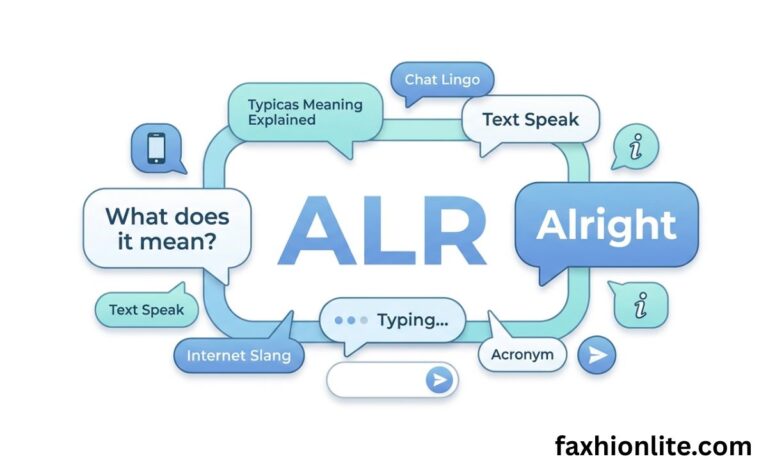
You’ve seen ASL pop up in chats, TikTok comments, and Snapchat DMs — but it doesn’t always mean the same thing. In texting, ASL most commonly means either “Age, Sex, Location” or “as hell,” and picking the wrong one can make a conversation instantly awkward.
The older meaning, Age/Sex/Location, started in 1990s chatrooms as a quick personal intro question. The newer one, “as hell,” is a Gen Z intensifier used to hype up any adjective, like “tired asl” or “funny asl.” Knowing which meaning is being used comes down to three things: platform, sentence position, and context.
What Does ASL Mean in Text?
ASL has three recognized meanings in digital communication, and they all coexist in 2026. Knowing which one someone is using comes down to reading the situation correctly.
Here are all three, ranked by how often you’ll actually see them today:
| Meaning | Full Form | Most Common On |
| 1. “as hell” | Slang intensifier | TikTok, iMessage, Snapchat, Discord |
| 2. Age, Sex, Location | Personal info question | Gaming lobbies, Omegle, dating apps, Reddit |
| 3. American Sign Language | Formal language name | Education, accessibility topics |
The first two are the ones that cause confusion. This guide will break both of them down clearly so you always know which one you’re dealing with.
ASL as “As Hell” The Meaning That Took Over

If you’re spending time on TikTok, texting with someone under 25, or scrolling through comment sections in 2026, this is the version you’re going to run into the most.
“Asl” works as an intensifier. It sits at the end of a sentence and cranks up whatever word came before it — the same way “so” or “really” would.
Real examples:
- “That exam was hard asl” = That exam was extremely hard
- “She’s funny asl, I can’t stop laughing” = She’s hilarious
- “I’m tired asl, don’t call me tonight” = I’m completely exhausted
- “That movie was long asl bro” = That movie felt endless
- “His fit was clean asl” = His outfit looked really sharp
Notice the pattern every time: “asl” comes after the adjective, at the end of the clause. That’s your biggest clue that someone is using it as an intensifier, not asking you a question.
Why Did “asl” Come to Mean “as Hell”?
This didn’t happen by accident. Gen Z and Gen Alpha tend to type the way things sound when spoken fast and casually. Say “as hell” out loud quickly — it blurs into something that sounds very close to “asl.” That phonetic shortcut caught on, spread through TikTok comment culture, and eventually became its own standard piece of slang.
It’s the same process that gave us “bc” for “because” and “ngl” for “not gonna lie.” Language adapts to speed and platform.
ASL as “Age, Sex, Location” — The Classic Chatroom Version
This is the older meaning, and it’s where the term originally came from. Back in the late 1990s, when people were first connecting with strangers in AOL chat rooms and early messaging apps, they needed a fast way to introduce themselves. Typing “How old are you? What’s your gender? Where are you from?” took too long. So they shortened it to one three-letter punch: ASL.
The standard reply format was always: [age] / [gender] / [location]
- 22/F/LA = 22-year-old female from Los Angeles
- 17/M/UK = 17-year-old male from the United Kingdom
- 25/nb/Toronto = 25-year-old non-binary person from Toronto
Today, this meaning still shows up in specific places. You’ll encounter it in gaming lobbies when someone wants to find teammates in their region. You’ll see it on Omegle-style platforms, in Discord server introductions, on certain Reddit threads, and sometimes on dating apps as a quick opening line. In those spaces, it still works exactly like it always did.
Outside of those spaces, it reads as retro. A lot of people under 20 would do a double-take if they saw it used sincerely in a casual text conversation.
How to Tell Which Meaning Someone Is Using
This is the part most guides skip over, and it’s genuinely the most useful thing to understand.
Run through these three checkpoints whenever you see “asl” in a message:
1. Where does it appear in the sentence? At the end of a sentence with an adjective right before it (“cold asl,” “loud asl”) = “as hell.” Alone with a question mark (“asl?”) = Age/Sex/Location.
2. What platform are you on? TikTok comment or Gen Z group chat = almost certainly “as hell.” Gaming lobby, Omegle, or first message from a stranger on a chat app = probably Age/Sex/Location.
3. What’s the topic of the conversation? If it’s an education thread, accessibility discussion, or something related to the Deaf community, ASL likely refers to American Sign Language. That one is almost always obvious from context.
Where ASL Gets Used by Platform
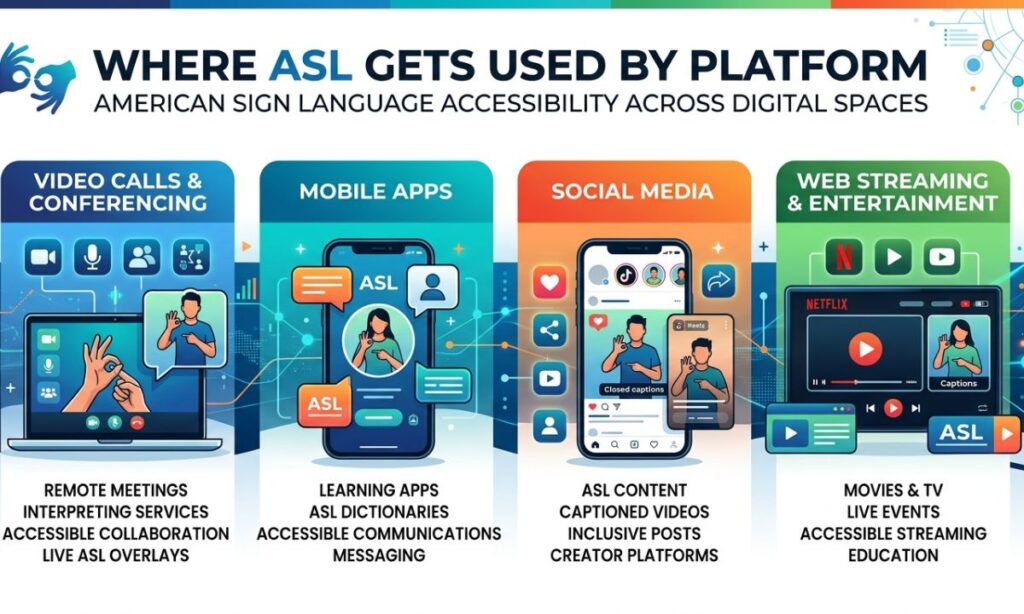
The meaning can shift depending on where you are online. Here’s a practical breakdown:
TikTok: “As hell” is dominant here. You’ll see it constantly in captions, video descriptions, and comment reactions. Someone saying “this is wild asl” under a video is just saying it’s extremely wild.
Snapchat: Both meanings live here depending on the context. In a DM with someone new, “asl?” could be asking your info. In a casual streak conversation with a friend, “tired asl” is just an intensifier.
iMessage and SMS: Almost always “as hell” among friends, especially if both people are under 30. Older users might still use it the classic way.
Discord: Mixed. In a server’s intro channel with new members, you might see “asl?” as a genuine icebreaker. In a friend group’s private channel, it’ll usually be the intensifier version.
Gaming chats: Age/Sex/Location is still common here, mostly to figure out if someone is playing from a compatible server region or within a similar age bracket.
RWhat Does ASL Mean in Medical or Formal Terms?
Outside of texting and slang, ASL stands for American Sign Language, the visual language used primarily by Deaf and hard-of-hearing communities in the United States and Canada. It is a complete, grammatically distinct language with its own structure, history, and culture.
It is not a form of English and should not be confused with a basic gesture system.You will not typically see this meaning in a casual texting conversation unless that is specifically the topic being discussed.
If someone in a general chat says “I’m learning ASL,” they almost certainly mean American Sign Language. It will be clear from context.
Is ASL Rude, Flirty, or Offensive?
Is “asl?” rude? Not usually, but the Age/Sex/Location version can feel pushy if someone sends it as their very first message to a stranger. It skips any kind of conversational warm-up and jumps straight to requesting personal information. Whether it feels rude depends heavily on the platform and the relationship.
Is “asl” offensive? No. As an intensifier, “asl” carries no negative connotation on its own. Its meaning shifts based entirely on the words around it.
Is it flirty? The Age/Sex/Location question can carry a flirtatious tone on dating apps or in one-on-one chats where there’s already some interest. The “as hell” version (“you’re cute asl”) can definitely be used as a compliment, but it isn’t inherently romantic.
The short answer: Neither meaning is inherently rude or offensive. Tone, timing, and context do all the heavy lifting.
Common Mistakes People Make with ASL
Assuming it always means American Sign Language. Most people who see “asl” in a casual text conversation are not referring to a formal language. Unless the conversation is already about the Deaf community or language learning, it’s slang.
Sharing too much personal information. If someone asks your ASL, you don’t owe them your exact address or full name. City-level location is completely fine. “24/M/Chicago” tells someone enough without telling them everything. If a stranger presses you for more details after you give a general answer, that’s a reason to be cautious.
Using either meaning in professional settings. Neither “asl?” as a personal question nor “asl” as an intensifier belongs in a work email, a professional Slack channel, or any formal context. Both are internet slang and should stay there.
How to Reply to “asl?”
Your response depends on your comfort level and who is asking.
If you’re fine sharing basic info: Reply in the standard format: [age]/[gender]/[location] Keep location general — a city or country is enough. You do not need to give a neighborhood or anything more specific.
If you’d rather not share everything:
- “Old enough / your gender / around” = humorous deflection
- “Why?” = opens the conversation before you commit to anything
- Just answer one part, like your general location, and skip the rest
If it feels off: You never have to answer. If someone is asking as their very first message on an anonymous platform, or if they’re pushing for more detail after you give a vague reply, trust that instinct. Move on or block.
If someone used “asl” as an intensifier: No reply is required beyond just continuing the conversation normally. “I’m tired asl” doesn’t need a formal response — it’s just emphasis, not a question.
ASL vs. Similar Slang Terms
| Term | Meaning | Example |
| asl | as hell (intensifier) | “That was scary asl” |
| af | as f*** (same function, stronger) | “I’m tired af” |
| asf | as f*** (variant spelling) | “She’s smart asf” |
| asl? | Age, Sex, Location (question) | “asl? just joined the chat” |
| wyd | What you doing | “wyd tonight?” |
The closest functional twin to “asl” as an intensifier is “af.” Both do the same job. “Asl” tends to run slightly cleaner in tone, which is probably why it caught on with younger users who find “af” a bit more aggressive-sounding.
Frequently Asked Questions
What does ASL mean in texting?
It most commonly means either “Age, Sex, Location” (a question about personal details) or “as hell” (an intensifier). The context of the sentence tells you which one it is.
What does ASL mean on Snapchat?
On Snapchat, both meanings are active. In a new chat with someone you just met, “asl?” usually means Age/Sex/Location. In a message from a friend, “asl” at the end of a sentence is probably an intensifier.
What does ASL mean on TikTok?
On TikTok, “asl” almost always means “as hell.” You’ll see it in captions and comments used to exaggerate or emphasize a reaction.
Does ASL always mean Age, Sex, Location?
No. In modern texting, especially among Gen Z, the “as hell” meaning is actually more common. Always check the sentence structure before assuming.
Should I answer an ASL question?
Only share what you’re comfortable with. Keep your location general, and never feel pressured to give out personal details to someone you don’t know online.
Is ASL outdated?
The Age/Sex/Location version has definitely faded in everyday casual texting and feels retro to younger users. The “as hell” version, on the other hand, is very much alive and common across multiple platforms in 2026.
Final Thoughts
ASL is a good example of how internet language evolves instead of fading out. The same three letters went from a 1990s chatroom shortcut to a Gen Z intensifier used across TikTok, iMessage, and Discord every single day.
End of a sentence next to an adjective: “as hell.” Standalone question from a stranger: Age/Sex/Location. Topic is language or the Deaf community: American Sign Language. Three patterns, zero confusion.